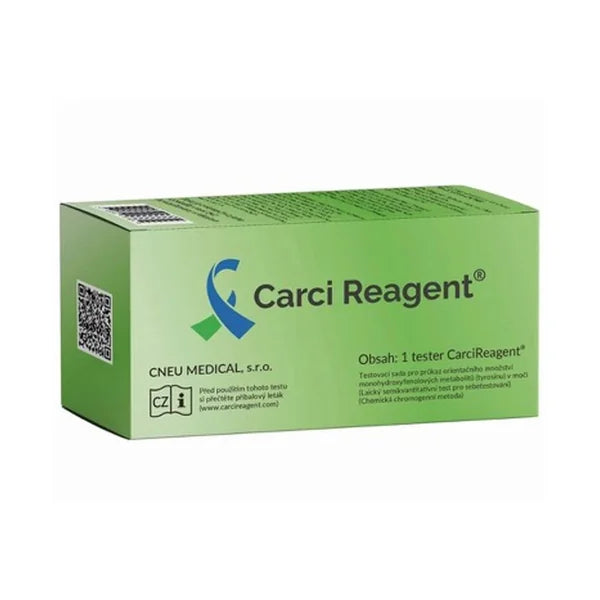

CNEU MEDICAL Carci Reagent is a single-use test kit for the detection of tyrosine (monohydroxyphenol metabolites). This in vitro diagnostic agent is intended for self-testing . The agent can be used as an early warning of serious illness. Its results are indicative and should be consulted with a physician. Testing is performed on a morning urine sample.
Main features
- for detection and indicative amount of tyrosine in urine
- in vitro diagnostic medical device (IVD)
- intended for self-testing
- test reaction time from 3 to 5 minutes
- IVD specificity is 99.4%
- single use
Sensitivity of the in vitro diagnostic device for selected diseases
What can affect the test result?
- The test result may be affected by false positives, for example, by hormonal drugs, leukemia drugs, ethanol extracts in traditional medicine, neurological drugs, amino acid drugs and nutrients, protein drugs, and salicylic acid-based drugs.
- The test result may be falsely negatively affected by, for example, tyrosine inhibitors, sedatives, analgesics and antihypertensive drugs, as well as drugs for cancer or treatment of tyrosinemia.
- If you are using the above medications, please consult your doctor before using the test.
- The test result can be affected by both false positive and false negative food and nutrient composition. For this reason, we recommend avoiding foods with high protein content, high fat content, dairy products, coffee, tea and alcohol for at least 48 hours before the test. These include the following foods: cheese, chocolate and citrus fruits, canned sardines, tomatoes, milk, lactic acid drinks, cheese, animal liver, beef, yogurt, condensed milk, sausage, ham, fermented foods, beans, lentils, pineapple, bananas, figs, grapes, vinegar, seafood and fish.
- Finally, the result may be affected by the patient's physical condition (fatigue, stress) or other diseases such as diabetes, bilirubinemia (liver disease), stomach ulcers ( Helicobacter pylori ) or other diseases that cause unusual urine color. Examples of diseases or patient health conditions that are related to the amount of tyrosine in the urine.
- Low tyrosine in urine: Parkinson's disease, depression (due to tyrosine deficiency), albinism (genetic disorder), phenylketonuria (PKU), tyrosinemia (metabolic hereditary disorders)
- Possible increased tyrosine in urine: Pigment disorders (freckles, brown spots), diabetes, stomach ulcers and gastritis
- Increased amount of tyrosine in urine: Malignant tumors: mainly include malignant tumors of the digestive tract (cancer of the stomach, intestines), liver cancer, nasopharyngeal cancer, malignant lymphomas, breast cancer, gynecological malignant tumors, lung cancer, etc.
Package contents
1 ampoule with 0.6 ml ± 0.05 ml reagent (clear liquid), protective cap for opening the ampoule, dropper, color scale of the test result (for comparison), package insert, control coupon with QC marking. To perform the test, you also need: A clean urine collection container (not included).
Composition
Zinc acetate, nitric acid, lithium carbonate, sodium nitrite, sodium acetate trihydrate, hydrogen peroxide (30%), distilled water.
Notice
This lay test is for guidance only! The test results must be consulted with a doctor. The test is intended for single use. The test is intended for lay persons over 18 years of age. Warning: Harmful if swallowed.
The liquid (reagent) in the ampoule is harmful if swallowed, irritating to eyes and skin. Use with caution. If it gets on your skin or clothing, wash it quickly with soapy water. If it gets in your eyes, rinse immediately with running water and seek medical attention. After evaluating the test and using the ampoule, it is necessary to dilute the contents with at least two liters of clean water and then dispose of the contents in the usual way (the liquid can be poured into the sewer after dilution and the glass ampoule including other parts of the tester into municipal waste). Perform the test at home.
IN VITRO DIAGNOSTIC MEDICAL DEVICE, READ THE INSTRUCTIONS FOR USE AND SAFETY INFORMATION CAREFULLY (IVD ST; 1119521)